


TMJ Treatment – Greenfield, MA
Relief for Persistent Jaw Pain

The TMJs, or temporomandibular joints, are the hinge joints that connect your skull to your lower jaw, or mandible. When these joints become damaged or stressed, you may start to experience persistent jaw pain and a range of other symptoms. Fortunately, our Greenfield dental team is ready and eager to help you find relief! With our non-invasive TMJ treatment options, we may be able to help you regain full and pain-free dental function.
Why Choose BGH Dental for TMJ Treatment?
- Multiple Conservative Treatment Options
- Caring & Compassionate Dental Team
- Effective Relief for Persistent Jaw Pain
What Is TMJ Disorder?
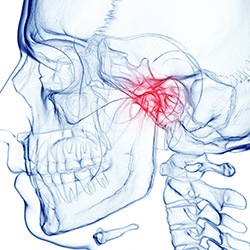 TMJ disorder, also known as TMD, is a condition that affects the temporomandibular joints, which control the movement of the lower jaw and play a large role in eating and speaking. TMD can be provoked by a variety of circumstances. Patients diagnosed with arthritis or previous injuries in the TMJs can be predisposed to the disorder, as can those with spinal problems. A common cause is bruxism, or the act of clenching and grinding teeth. Stress, injury, and malocclusion (bite misalignment) can contribute to the development of bruxism and TMD.
Symptoms of TMJ Disorder
 TMD can cause numerous symptoms that affect oral function. For example, you may experience frequent jaw pain, pain in your facial muscles, difficulty chewing, limited jaw movement, and more.
It is also important to note that symptoms of TMD can go beyond the mouth. In fact, this disorder is often associated with a broad range of other issues, including headaches, migraines, ringing in the ears, neck pain, back pain, shoulder pain, and more.
Types of TMJ Treatment
 Fortunately, at BGH Dental, we offer several types of therapy for TMD. We often begin with the least invasive options, such as changes in habit and diet, medication, or simply learning new relaxation techniques. These at-home techniques often work best when paired with a professional treatment, such as an occlusal splint or equilibration. When you visit us for a consultation, we will perform a thorough examination to find out which treatment may be best for your unique circumstances.
Occlusal Splint
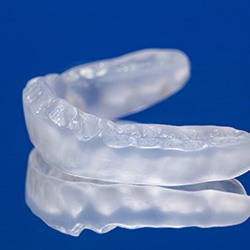 A custom-made nightguard, also known as an occlusal splint, may be worn to hold the jaw joints in their ideal resting position while you sleep. This can reprogram jaw muscles, in some cases, so that the nightguard is a temporary treatment. However, other patients find success in wearing their nightguard indefinitely.
Equilibration/Occlusal Adjustment
 Equilibration is a form of bite adjustment, wherein we make minor modifications to your teeth and/or crowns in order to help your upper and lower teeth work more harmoniously together. This can relieve stress on your TMJs and the surrounding muscles. It may provide a long-lasting reduction in TMD symptoms.
TMJ Treatment FAQs
Can TMJ Be Permanently Cured?
In some cases, discomfort caused by an imbalance of the temporomandibular joint (TMJ) may go away on its own over time. However, it’s best to visit a qualified dentist at BGH Dental if you are bothered by severe symptoms that make it difficult to function normally in your daily life. While some TMJ therapy methods offer only temporary relief, the staff at our office in Greenfield offers effective treatments that can be long-term solutions for persistent jaw pain like occlusal splints and adjustments/equilibration. In some cases, we can treat jaw pain with orthodontic methods.
Is TMJ Treatment Safe?
TMJ treatment performed by a qualified professional such as Dr. Garcia is perfectly safe. Our trusted dentist will treat your TMJ disorder in the least invasive way possible and thoroughly discuss any associated risks as well as the best ways to mitigate them with you during your consultation. Occlusal splints and adjustments/equilibration have been proven to be incredibly safe ways to address misalignments of the TMJ, and we’ll only recommend a treatment after a thorough consultation so we can evaluate your oral health and medical history. This way, we can minimize the risks of complications during the process.
How Long Does TMJ Treatment Take?
While you may be able to find temporary relief from your TMJ symptoms by performing mouth exercises or using a TENS machine at home, long-term relief typically requires treatment from a qualified professional such as Dr. Garcia. Different TMJ procedures can be completed in different spans of time, and our dentist will be happy to provide you with a proper estimate of your treatment timeline during your consultation. Here’s a quick breakdown of how long your treatment may take:
- Orthodontic treatment to address imbalances in a patient’s bite can take anywhere from six months to several years.
- Occlusal splints are devices designed to be worn during sleep for several weeks to several months, and they can potentially provide lifelong relief.
- Equilibration/occlusal adjustments can vary in how long they take to deliver the desired results, but most patients experience significant relief briefly after treatment.
Can TMJ Disorders Be Treated without Surgery?
It’s usually best to address oral health problems with the most conservative method possible, and TMJ disorders can often be treated without surgery. At BGH Dental, we can usually address TMJ problems and bring long-term relief with minimally invasive treatments like occlusal splints or adjustments/equilibration. However, severe cases may require surgical intervention intended to change the anatomy of the jaw joints, and we may be able to refer you to an appropriate specialist if necessary.